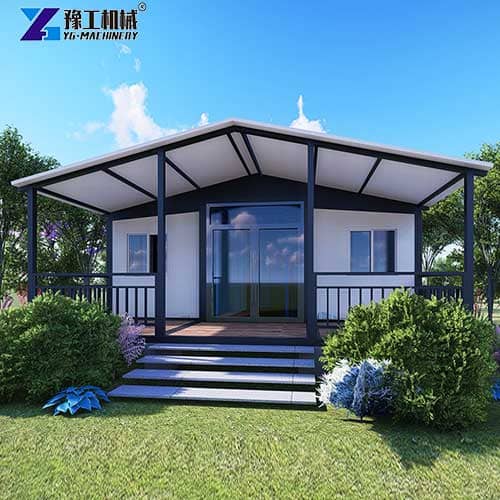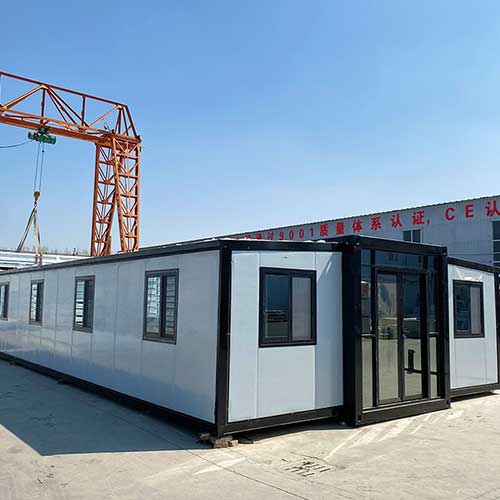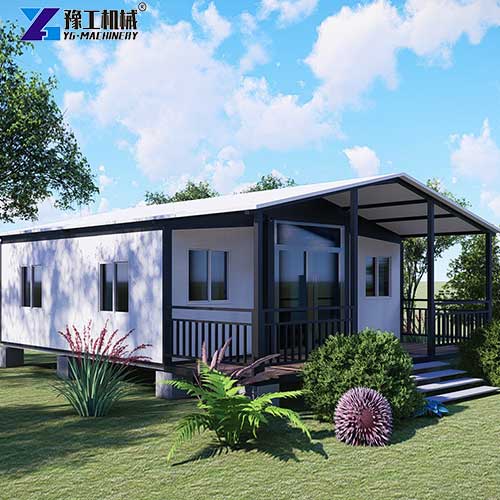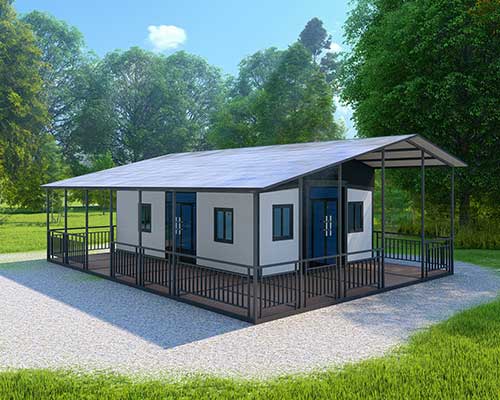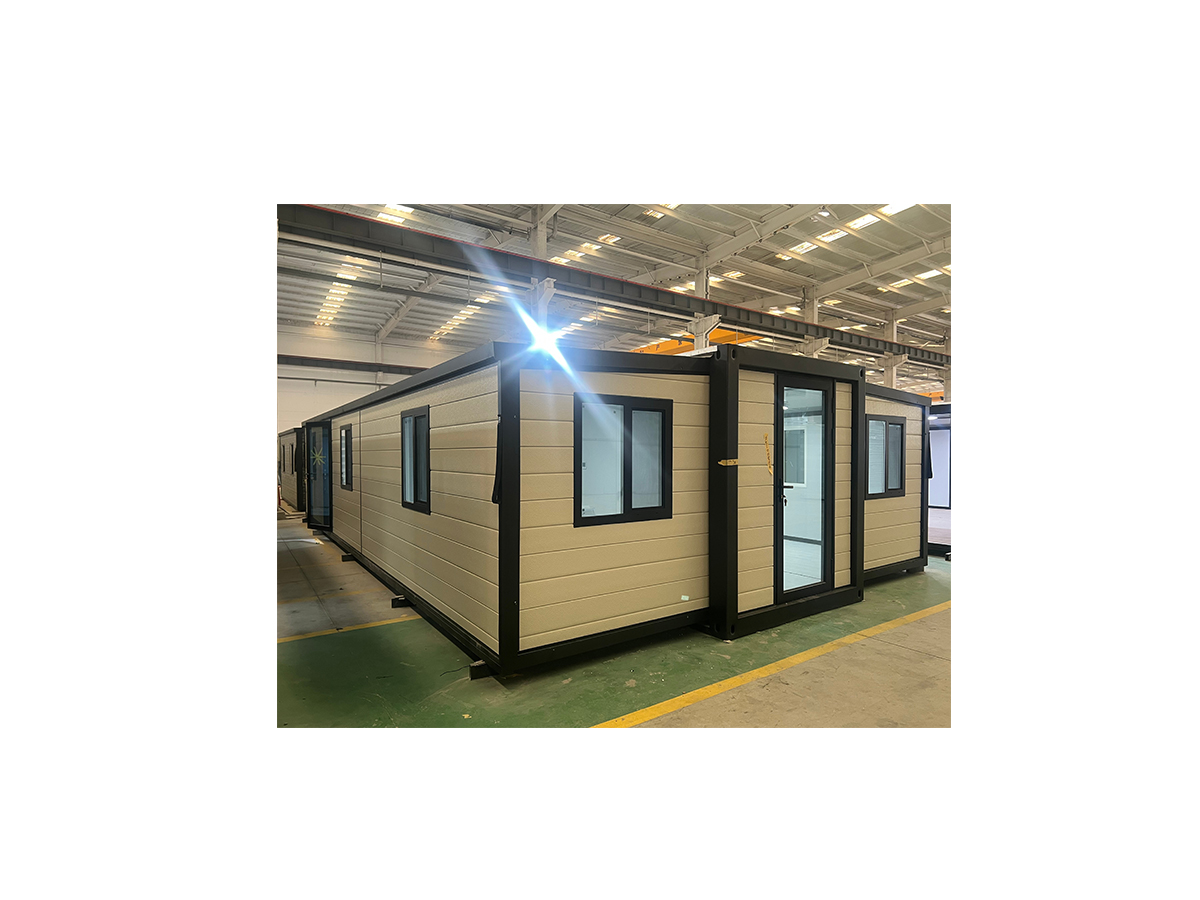
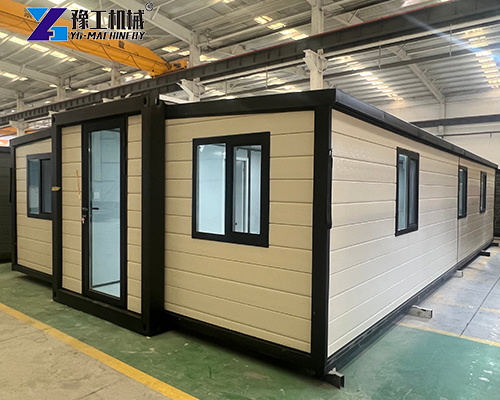
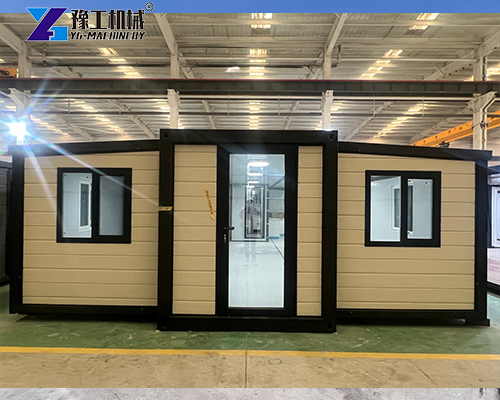
Against the backdrop of rising traditional construction costs and growing urban land shortages, a flexible and-cost-effective housing solution is rapidly gaining traction worldwide — the container foldable house. These units are pre-fabricated and fully finished inside the factory. They shrink greatly in volume when folded and are ready for use right after unfolding on-site. The global market for container foldable houses reached approximately USD 8.595 billion in 2024 and is projected to hit USD 17.34 billion by 2031. Meanwhile, the global foldable-house market is expected to grow from USD 9.31 billion in 2025 to USD 10.17 billion in 2026. Whether used for construction-site camps, post-disaster emergency relief, or urban transitional housing, the container foldable house delivers unique advantages. This article gives you a full breakdown of this new-type building, covering specifications, model selection, pricing, investment value, and safe loading-unloading practices.
Portable Container Homes for Sale Specifications
| 20FT Basic Characteristics | External dimension (mm) | W6320*L5900*H2480(Side 2270) |
| Internal dimension (mm) | W6160*L5560*H2240(Side 2150) | |
| Folded state (mm) | W2200*L5900*H2480 | |
| Total mass (kg) | 2500 | |
| 30FT Basic Characteristics | External dimension (mm) | W6360*L9000*H2480(Side 2180) |
| Internal dimension (mm) | W6200*L8660*H2240(Side 2060) | |
| Folded state (mm) | W2200*L9000*H2480 | |
| Total mass (kg) | 3750 | |
| 40FT Basic Characteristics | External dimension (mm) | W6240*L11800*H2480(Side2180) |
| Internal dimension (mm) | W6080*L11540*H2200(Side2060) | |
| Folded state (mm) | W2200*L11800*H2480 | |
| Total mass (kg) | 4400 | |
| Smaller Fold Size | External dimension (mm) | W4820*L5900*H2480(Side2270) |
| Internal dimension (mm) | W4660*L5560*H2240(Side2150) | |
| Folded state (mm) | W700*L5900*H2480 | |
| Total mass (kg) | 1850 |
How to Pick the Right Size & Configuration for Container Foldable House
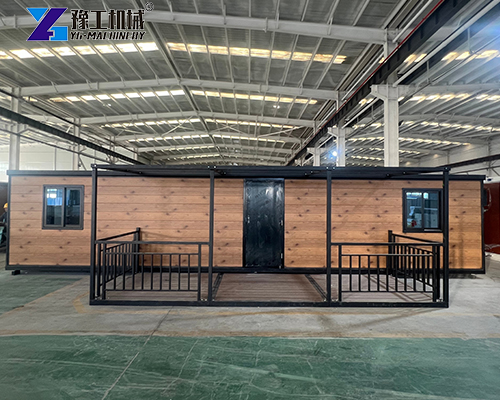
Picking the correct size is your first step when buying a container foldable house. The 20ft model offers roughly 34 sqm of interior space after unfolding, suitable for singles or couples as temporary housing. The 30ft version provides around 53 sqm and supports layouts with 1-2 bedrooms. The 40ft unit delivers about 70 sqm, large enough for family living with 2-3 bedrooms.
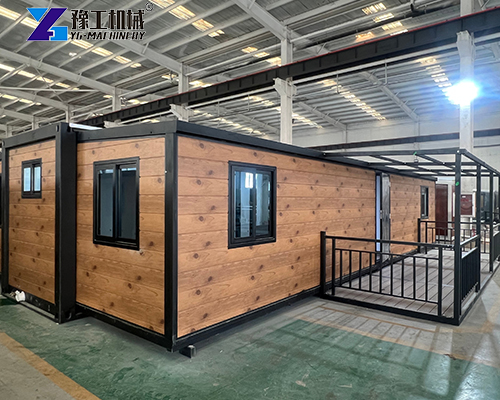
Besides size, configurations directly shape living comfort. Standard delivery includes doors, windows, cabinets, toilet, washbasin, shower room plus full-set indoor outlets and water pipes. You may upgrade for higher-end finishes: inside options cover U-shaped cabinets with wall-mounted overhead cabinets; flooring choices include marble, ceramic tile or click-lock flooring. Exterior upgrades are available for pitched roofs, terraces and glass curtain walls. Windows can be updated to awning windows, floor-to-ceiling windows or thermal-break aluminum windows. Exterior wall panels may be upgraded to metal carved panels or 100 mm-thick polyurethane (PU) panels. It is worth noting that such a prefab folding container house arrives factory-finished. You can move in directly after on-site unfolding and utility connection, with no extra renovation required.
What Factors Influence Expandable Container House Price?
Pricing for a container foldable house is not fixed; it is determined by multiple combined factors. Below are five key elements:
- Size and model. Larger sizes consume more steel and raw materials. Prices rise step-by-step across the 20ft, 30ft, and 40ft models.
- Frame specification and manufacturing craft. The frame forms the core structure of foldable houses. Frames of different specs show big gaps in load-bearing capacity and service life. YG uses Q235 galvanized square tubes that meet national standards to guarantee structural strength.
- Material selection. Choices for steel, thermal-insulation materials, and fire-resistant materials affect final costs. Standard EPS sandwich panels provide great thermal performance. Upgrading to metal carved panels or PU panels costs more yet brings better overall performance.
- Customization level. Custom work on interior layouts, floor materials, window styles, and exterior add-ons will increase total expenses.
- Shipping & installation. Ocean freight, customs duties, inland haulage, and lifting fees represent important hidden costs.
Is Container Foldable House a Worthwhile Investment?
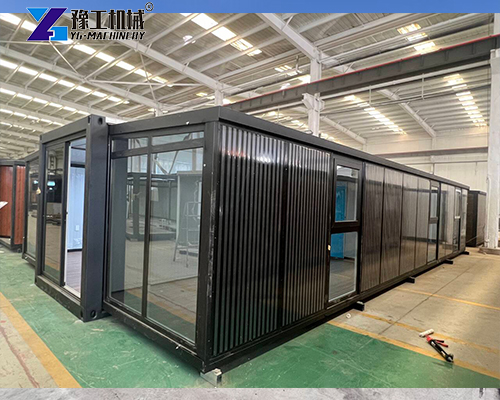
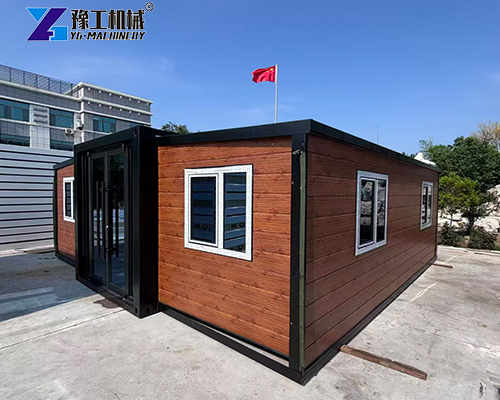
From multiple perspectives, a container foldable house delivers good value-for-money as an investment.
- Significant cost advantages. Conventional site-built single-family homes in the US cost around USD 165 per square foot; labor alone may hit USD 200 000 for comparable floor space. Chinese-made foldable houses cost only one-third to one-half of local on-site construction.
- Super-efficient transport & installation. The folding design lifts shipping efficiency by 83 %. Installation is 96 % faster than traditional buildings while cutting energy consumption by 30 %. Foundation requirements are minimal. No heavy machinery is mandatory for setup, and installation expenses can be reduced by up to 60 %.
- Promising market outlook. The global container foldable-house market is estimated at about USD 12.2 billion in 2026 and expected to reach USD 25.33 billion by 2033, with an approximate 11 % compound annual growth rate. More overseas buyers source Chinese-manufactured expanding container homes via cross-border e-commerce platforms.
- Flexibility and relocability. Foldable houses can be relocated to match changing demands and are not tied to one fixed location. This appeals highly to people who frequently change workplaces or cities of residence.
Overall, a prefab folding container house is an investment well worth considering for buyers on limited budgets who want fast move-in or need temporary transitional accommodation.
Safe Loading & Unloading Operation Guide for Container Foldable House
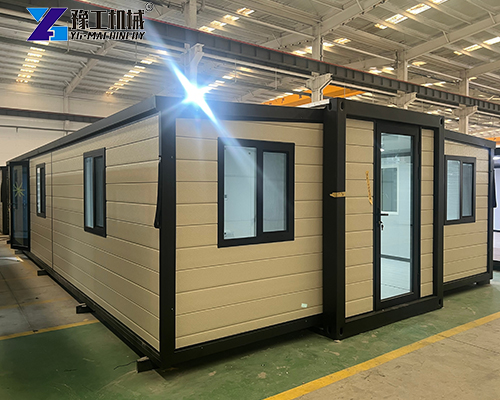
Loading and unloading represent the most critical and risk-prone stages during delivery of a prefab folding container house. Below are standard workflows and safety notes:
Loading phase: YG’s foldable houses come fitted with bottom rollers to help slide units inside shipping containers. Secure the unit firmly inside the container to prevent shifting during transit.
Unloading phase: This carries the highest risk. Follow the correct procedure: first pull a small section of the house out of the container using a forklift, then lift the whole unit with a crane. One vital safety rule must be observed: keep the unit well-balanced and never let it tilt. Toilet, cabinets, washbasins and other interior fixtures are mounted toward the middle. Tilting will make these internal items slide and collide, leading to physical damage.
Professional advice: Strongly engage local professional freight agents for unloading. Do not attempt unloading without relevant experience. Qualified teams have proper equipment and know-how to protect both product and personnel safety.
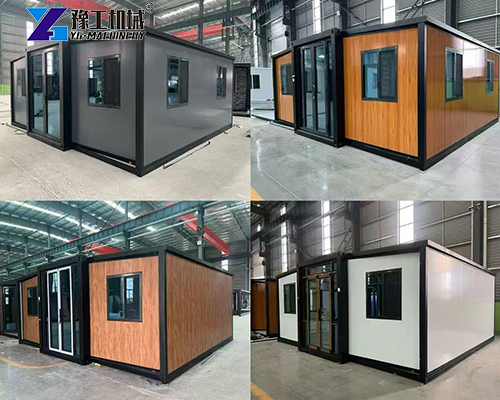
Expanding container home Supplier — YG
The real value of container foldable houses lies in reliable product delivery and after-sales support. Great design concepts cannot serve end-users well without solid manufacturing and supply-chain backing. Among many suppliers, YG stands out as a brand worth your attention. Its products adopt Q235 galvanized square-tube frames with standard EPS sandwich wall panels. Multiple models from 20ft to 40ft support flexible customization and are delivered as fully finished units from the factory. More importantly, YG holds rich hands-on experience covering loading, shipping, and unloading, offering overseas customers end-to-end support from order placement all the way to on-site handover. If you are searching for a trustworthy expanding container home supplier, YG makes an excellent starting point.