Prefab Container Pool is revolutionizing backyard landscapes worldwide with its industrial modern aesthetic, short lead time, and excellent modular mobility. However, after you decide on the size (20ft or 40ft) and liner material, the first key decision buyers need to make is: How should I install my swimming container pool?
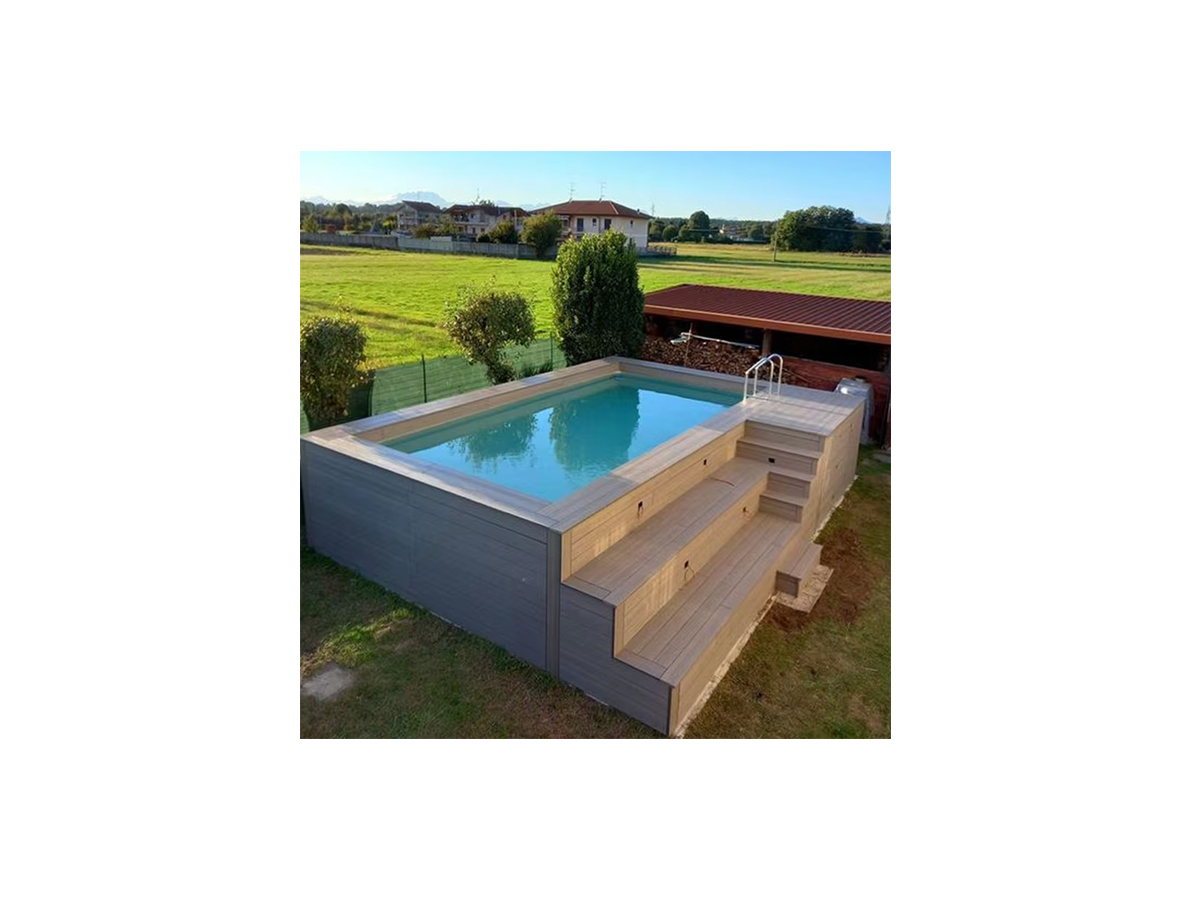
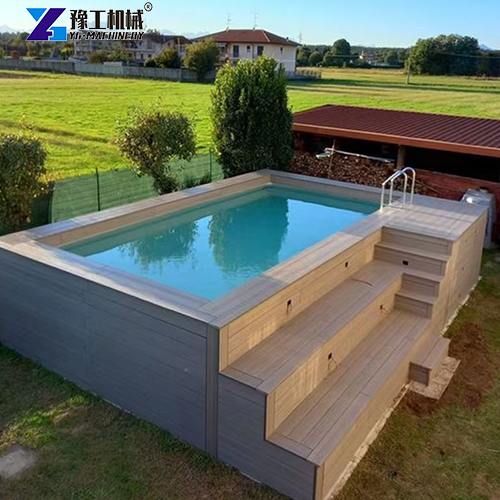
Thanks to the self-supporting steel structure of shipping containers, they offer unmatched installation flexibility compared with traditional concrete or fiberglass pools. They can be set upright on the ground, fully buried underground, or partially embedded along slopes.
This article analyzes the pros, cons, and applicable scenarios of the three installation methods from four perspectives: construction cost, site terrain, visual effect, and practicality.
Comparison of Advantages and Disadvantages for Three Installation Types of Swimming Container Pool
1. Above-Ground Installation: Best for Efficiency & Cost Performance
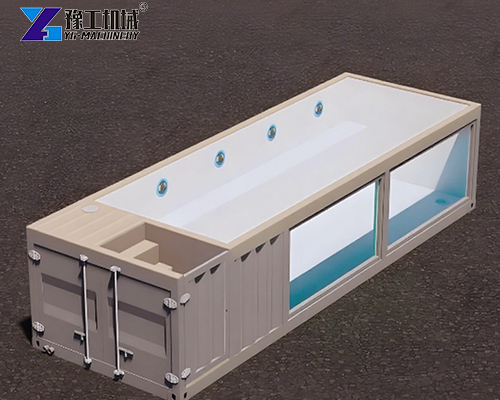
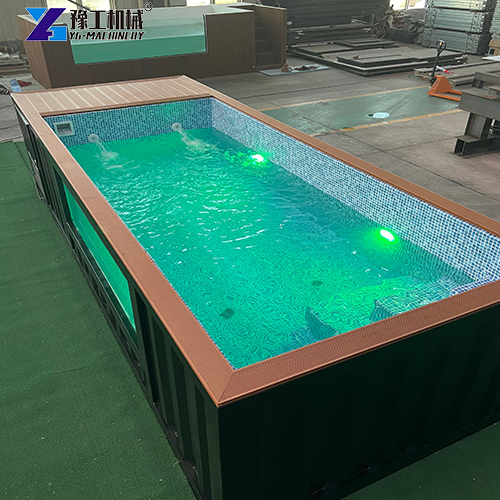
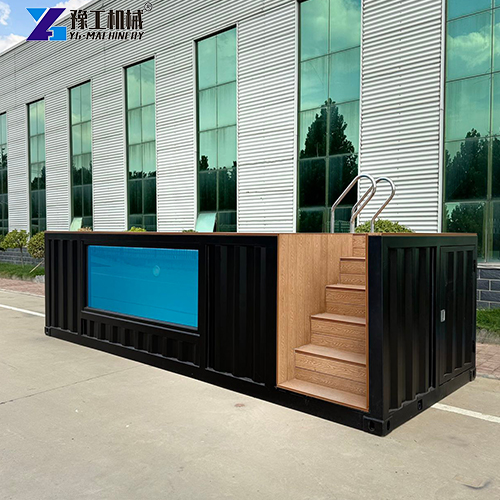
Above-ground installation is the original and most popular setup for a swimming container pool. You only need to pour a load-bearing flat Concrete Slab in the backyard. After the pool is lifted into place by a crane, just connect water and electricity, and it is ready for immediate use.
Pros
- Lowest construction cost: No large-scale excavation or soil hauling out, saving thousands to tens of thousands of dollars on digging and backfilling.
- Ultra-short construction period: Foundation preparation takes only a few days, and water filling can be finished within 1- 2 days after lifting and wiring.
- 100% relocatable: It can be lifted and relocated easily if you move house in the future.
- Safe for kids and pets: The 1.2–1.4m tall side walls act as a natural barrier to prevent accidental falls into water.
Cons
- Visual bulkiness: The tall metal box may block views and natural light in small courtyards.
2. Semi-In-Ground Installation: Ideal Solution for Sloped Yards & High-End Landscaping
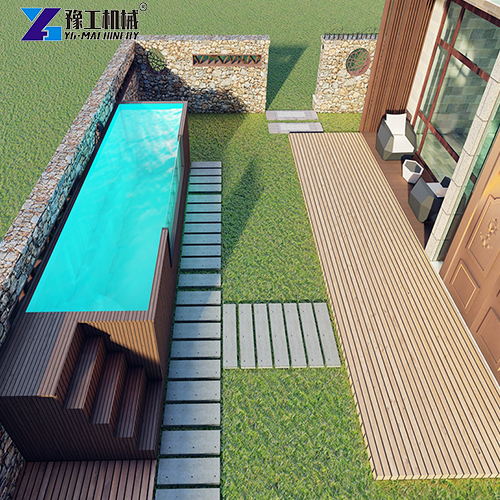
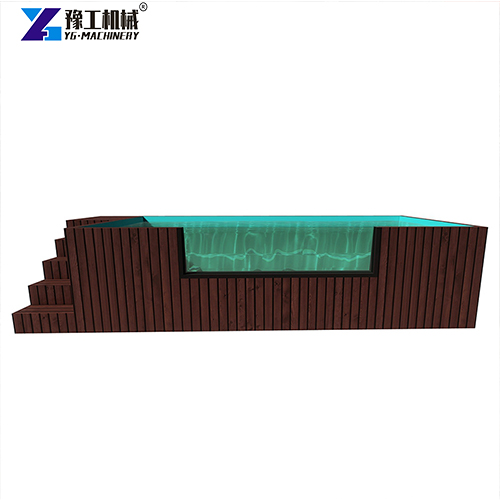
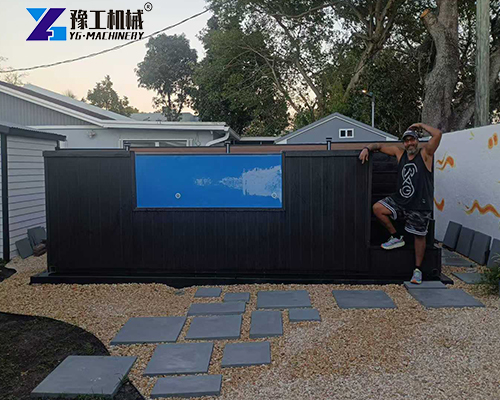
If your backyard has elevation changes or slopes, or you want to integrate the pool with an existing wooden Deck, semi-in-ground installation is the perfect option. Sink the container 50–80cm below ground, and clad the exposed section with wood, green plants, or stone to create a layered luxury resort-style look.
Pros
- Perfect for sloped terrain: Avoid expensive Retaining Wall construction by adapting to the natural landform.
- Seamless landscape integration: Easy to connect flush with walk-on decks and outdoor lounge areas.
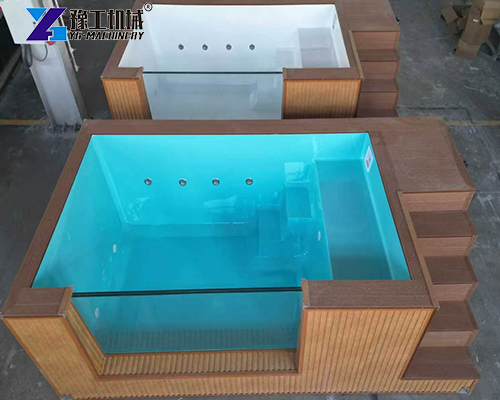
- Allow acrylic viewing windows: Transparent glass panels can be installed on the exposed side to create a stunning, eye-catching feature.
Cons
- Strict anti-corrosion and drainage requirements: Buried outer walls need waterproof coating (bitumen/polyurea) and loop drainage pipes.
- Moderate civil engineering cost: Partial excavation and Backfilling work are required.
3. In-Ground Installation: Seamless Invisible Visual Effect
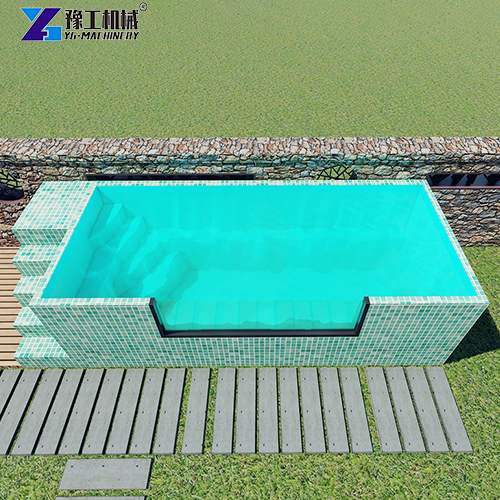
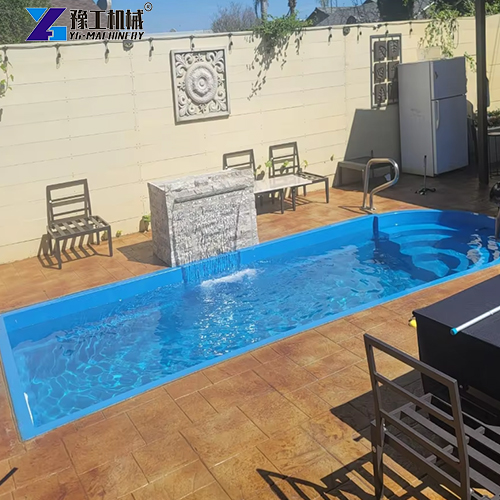
Fully buried installation makes underground shipping container pool look identical to expensive traditional in-ground concrete pools. The water surface aligns perfectly with lawn or paving tiles for unobstructed open views, ideal for minimalist and contemporary architectural styles.
Pros
- Unblocked panoramic views: Preserve the original spacious layout of the backyard.
- Natural thermal insulation: Surrounding soil works as a thermal layer in hot and cold seasons, cutting heating and cooling energy consumption.
- Barrier-free access: Gentle entry steps can be built for extremely easy access.
Cons
- Highest construction cost: Requires full-depth excavation, foundation shoring, backfilling, and heavy lateral anti-corrosion treatment.
- Reinforcement against lateral earth pressure: Extra bracing or retaining walls are needed around the container to resist soil pressure.
- Non-relocatable: Extremely high cost to dig out and relocate once fully buried.
Parameter & Dimension Comparison Table for Swimming Container Pool
| Comparison Item | shipping container above ground pool | Semi-In-Ground swimming container pool | underground shipping container pool |
| Civil Work & Preparation Cost | Very Low | Medium | Relatively High |
| Construction Timeline | Fastest (1–3 days) | Medium (1–2 weeks) | Longer (2–3 weeks) |
| Relocatability | Very High (Direct crane lifting) | Medium (Partial excavation needed) | Low (Almost irreversible) |
| Terrain Adaptability | Flat ground only | Top choice for slopes & complex land | Flat ground with stable geology |
| Anti-Corrosion & Backfilling Standard | Factory standard coating enough | Heavy-duty anti-corrosion + drainage for buried sections | Full container deep anti-corrosion + anti-earth-pressure structure |
| Safety for Kids & Pets | Built-in tall protective walls | Need deck guardrails | Mandatory compliant pool fencing |
Expert Anti-Corrosion & Construction Tips to Avoid Pitfalls
Even though an underground container pool is built with Corten weathering steel, buried conditions (semi- or fully in-ground) expose the metal to accelerated corrosion from soil moisture, pH value, and accumulated groundwater. Follow these rules for buried installation:
- Heavy anti-corrosion coating: Ask the manufacturer or contractor to apply thick bitumen coating or polyurea waterproof membrane on all buried surfaces.
- French Drain system: Lay gravel filter layers and perimeter drainage pipes at the bottom and sides of the pit to stop groundwater pooling around the container.
- Backfilling protection: Never use large sharp stones for backfill. Use fine sand or small crushed aggregate to prevent scratches on the anti-rust layer.
Decision Checklist: Which Installation Type Should You Choose?
👉 Choose Above-Ground if: You have a limited budget and prioritize cost efficiency; want to use the pool as soon as possible; plan to move within 3–5 years; your backyard is completely flat.
👉 Choose Semi-In-Ground if: Your yard has slopes or stepped terrain; you plan to build a high-end wooden Deck; you want to add acrylic viewing windows on the pool side.
👉 Choose In-Ground if: You pursue ultra-minimalist design with zero visual obstruction in the yard; you have sufficient budget; local building codes impose strict height limits on above-ground structures.